
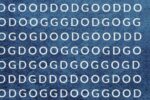
A fast new visual puzzle is making the rounds online: a 10×11 grid filled with the word CAT, repeated across the image — except for one tiny impostor. Hidden among the familiar pattern sits CTA, the same letters but rearranged. The challenge is simple in concept and fiendish in practice: can you find the odd word before the clock hits 10 seconds?

These puzzles work because they exploit how our brains process repetition. When we scan repeated patterns, our visual system uses shortcuts and routines to speed things up. That helps us in everyday life, but it also makes us prone to overlooking small anomalies. In a sea of identical words, a single swapped letter pair blends in unless you force your eyes to slow down and inspect deliberately.
To take the test, set a 10-second timer and scan the grid methodically: move row by row, or column by column, instead of letting your gaze jump around. Experts say slowing your scanning and focusing on one small area at a time dramatically raises your chances of spotting the difference quickly. Another trick is to step back a little from the screen — sometimes the oddity pops out when the pattern is viewed from a different distance.
Why do people love these little brain teasers? Beyond the bragging rights, they’re a compact workout for attention, pattern recognition and concentration. Teachers and cognitive trainers often use similar exercises to sharpen students’ focus. On social media they’re sticky content: users tag friends, share screenshots, and compete to see who can beat the timer.
If you tried and didn’t find the CTA, don’t worry — you’re not alone. The solution is deliberately tucked away to reward careful inspection. For anyone curious, the odd CTA is located in the fifth row, seventh column. Once shown, the difference becomes obvious — and satisfying.

These puzzles are fun, fast, and oddly addictive. Whether you solved it under the time limit or needed the hint, the exercise is a neat reminder of how our brains simplify the world — and how a tiny change can pull our attention back to the details. Want another round? Try scanning slower next time and see if your score improves.