
New Delhi and Gurugram woke up to a blanket of thick smog on Saturday morning as air quality across the National Capital Region (NCR) plunged to alarming levels following Diwali celebrations. Pollution readings in both cities indicated that residents were breathing some of the most toxic air recorded this season.

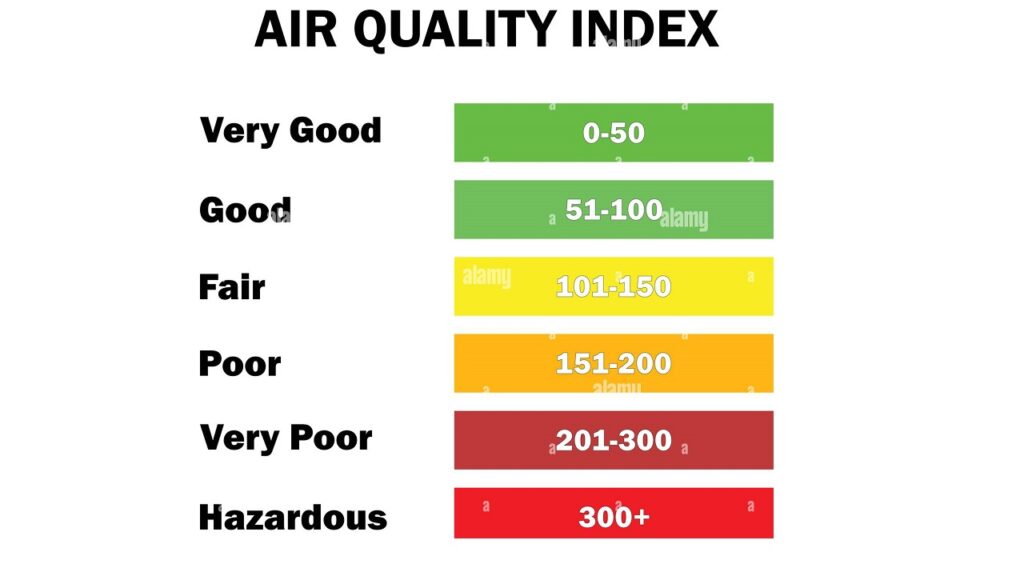
In Delhi, the Air Quality Index (AQI) crossed the 370 mark, placing the city firmly in the hazardous category. The dense smog reduced visibility and left a lingering haze over major areas including Anand Vihar, RK Puram, and Punjabi Bagh. Experts warned that the combination of firecracker emissions, vehicular pollution, and stagnant weather conditions had created a toxic cocktail in the atmosphere.
Gurugram fared slightly better but still recorded severe pollution levels, with AQI readings between 200 and 260 across most monitoring stations. In areas such as DLF Phase 3, Sohna Road, and Sector 51, pollution remained in the very poor category, causing discomfort among commuters and residents.
Health experts have urged citizens to take precautions, particularly children, senior citizens, and those with respiratory issues. The thick layer of pollutants, dominated by PM2.5 particles, can cause throat irritation, coughing, eye discomfort, and breathing difficulties. Doctors have advised limiting outdoor activities, wearing N95 masks when venturing outside, and using air purifiers indoors to reduce exposure.
Officials from the pollution control boards attributed the spike to festive firecracker usage and weather conditions that prevented the dispersion of pollutants. Winds over Delhi-NCR have been weak, trapping smoke near the surface. Authorities have also implemented Stage II of the Graded Response Action Plan (GRAP), which includes restrictions on diesel generators, construction activities, and entry of polluting vehicles into the city.
Meteorologists predict that air quality could worsen further over the next two days as wind speeds remain low and humidity increases. Light rainfall later in the week may bring some temporary relief.
As residents struggle with burning eyes and heavy air, Delhi and Gurugram’s toxic post-Diwali atmosphere has once again raised urgent questions about sustainable celebrations and long-term air quality management in India’s most polluted urban region.